
Why the Polo Shirt Is the Standard Corporate Uniform in Singapore
Of all the garments available for corporate uniform programmes in Singapore, the polo shirt consistently dominates across the broadest range of sectors, environments and dress codes.
In the office, it is smart enough to be professional without the formality of a dress shirt. In retail and hospitality, it is clean and presentable while being comfortable enough for a full-day standing and walking shift. In F&B and events, it provides a branded, organised appearance for front-of-house staff. In healthcare and community service, it is the uniform garment that projects a professional identity without the clinical formality of a white shirt or the overly casual impression of a tee.
This versatility — the ability to serve as the right garment across such a wide range of professional contexts — is what makes the polo shirt the most ordered corporate uniform item in Singapore’s custom printing market. And within the polo shirt category, the Lacoste piqué fabric is the material specification that distinguishes a quality polo from a standard polyester alternative.
What is Lacoste piqué fabric?
“Lacoste fabric” is a trade term used in Singapore’s corporate printing and uniform market to refer to a specific type of knitted textile — piqué fabric. The name references the Lacoste brand, which famously uses this fabric for their polo shirts, but the fabric type itself is a generic textile available from many producers. It is not made by or licensed from Lacoste the brand.
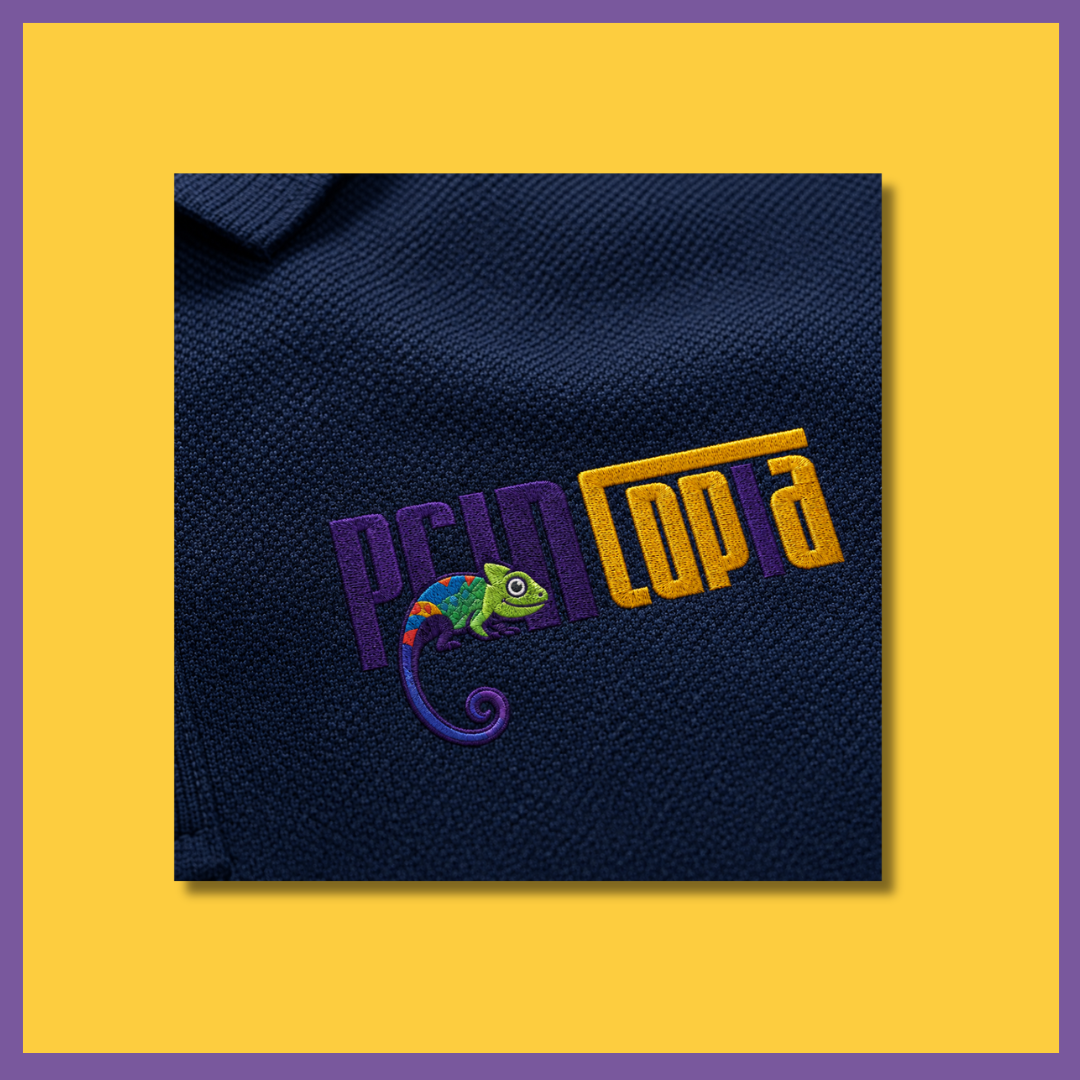
Piqué fabric is produced using a double-knit or warp-knit construction that creates a raised, textured surface — the characteristic waffle or honeycomb grid pattern visible on the face of a quality polo shirt. This raised texture provides two specific advantages over the plain jersey knit used in standard polo shirts.
First, the textured surface creates more air gaps between the fabric and the skin, improving ventilation and breathability. In Singapore’s warm and humid climate, this means a piqué polo shirt remains cooler and more comfortable against the skin during a full working day than a plain jersey polo of the same weight and colour.
Second, the structured surface of the piqué weave holds its shape and appearance better over repeated wearing and washing than plain jersey. The raised texture resists the surface flattening and pilling that affects plain jersey polo shirts over time, maintaining the polo’s professional appearance across months and years of regular use.
Matching collar and cuffs: the construction standard for a premium polo
The collar and cuffs of the AW0123 are produced from the same matching rib construction as the collar and cuffs of the shirt body — the collar’s rib material, weight and colour are consistent with the rest of the garment rather than using a contrasting or mismatched rib. This matching construction gives the polo a clean, unified appearance across all its structural elements.
A polo collar that visibly uses a cheaper or different-weight rib material than the body, or that begins to curl or lose its standing shape after a few washes, reads as a lower-quality garment regardless of the body fabric. The matching rib collar of the AW0123, like the collars of quality polo shirts across all price tiers, is designed to hold its shape and sit upright consistently — communicating the structured, professional appearance that the polo collar is chosen for.
The polo shirt in Singapore’s professional dress code landscape
Singapore’s corporate dress code environment has shifted significantly over the past two decades toward smart-casual standards across a growing proportion of industries. The formal dress shirt with tie is now limited to specific formal occasions and a reducing number of industries. The polo shirt — with its collar, its clean construction and its professional appearance — has become the default smart-casual uniform garment for organisations that want their staff to look organised and professional without the discomfort of a formal shirt in Singapore’s climate.
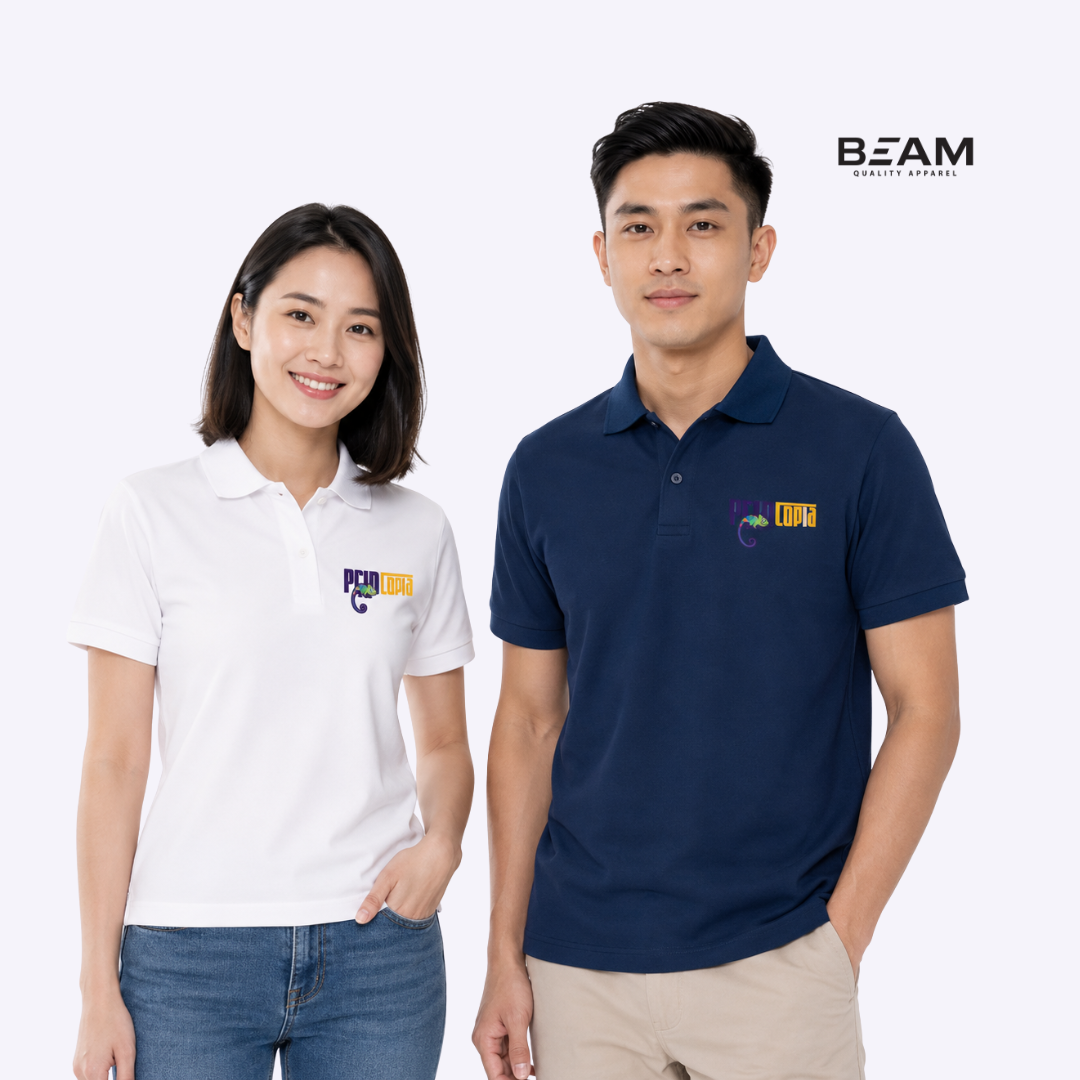
For client-facing roles in financial advisory, insurance, real estate, healthcare, education, government agencies and community service organisations, the branded polo shirt is the standard uniform that clients recognise as indicating a legitimate professional representative. The collar communicates professionalism. The brand logo on the chest communicates identity. The comfortable, breathable piqué fabric allows the staff member to wear it through a full client-facing day without discomfort.
For retail and hospitality staff, the polo provides an affordable, durable and easily laundered uniform garment that maintains a clean presentation through busy service shifts. For event staff, it provides a branded, visible identifier that attendees can recognise as staff from a distance.
Embroidery: the branding method that matches the quality of the fabric
A piqué polo shirt represents a quality uniform investment and should be branded with a method that matches that investment.
Embroidery stitches the logo directly into the piqué fabric with thread, producing a raised, durable mark that complements the textured quality of the piqué surface and maintains its quality through the full lifetime of the garment. An embroidered logo on a polo shirt is the standard for corporate uniforms globally — from hotel staff to golf course employees to financial services representatives — because it communicates permanence, quality and institutional identity that printed logos cannot replicate on this fabric type.
The standard embroidery position for a polo shirt logo is the left chest, approximately where a breast pocket would sit. Additional embroidery positions including the right chest, the sleeve and the back collar are available for garments that carry multiple identifiers — a personal name on the right chest alongside an organisation logo on the left, for example, or a department name across the back collar.
Silkscreen and heat transfer printing are available for polo shirts where the logo requires multiple colours or full-colour artwork that embroidery cannot accommodate at small scales.
Not sure which method suits your design?
Share your artwork with us and we will recommend the best approach.
The polo shirt and Printopia’s corporate polo service
Printopia operates a dedicated corporate polo shirt printing service, reflecting the volume and importance of the polo shirt in Singapore’s corporate uniform market. The AW0123 is the premium piqué option in this service — the right choice when the fabric quality and professional appearance of the polo are part of the uniform brief.
For buyers who need a standard uniform polo at a more accessible price point, other polo shirt options may be available in the Printopia range.
Suitable use cases
- Corporate staff uniforms across all professional service sectors
- Financial advisory, insurance and real estate representative uniforms
- Healthcare, clinic and community service staff uniforms
- Retail and hospitality front-of-house staff uniforms
- F&B and café counter staff uniforms
- Government agency and statutory board staff uniforms
- School and educational institution staff and teacher uniforms
- Event staff and volunteer identification garments
- Corporate sports day and team-building activity polo shirts
- Premium staff onboarding uniform gifts
Ordering information
- Do reach out to us to enquire about the minimum quantity needed for this product.
- Standard lead time is about 7 to 10 working days from artwork approval.
- Rush orders are available for tight deadlines, get in touch and we will do our best to make it work.
Every order includes a free digital mockup so you can see how your branding looks before we go into production.
Frequently asked questions
What is Lacoste fabric — is this a Lacoste brand product?
This is not a product made by or affiliated with the Lacoste brand. “Lacoste fabric” is a trade term used in Singapore’s corporate printing industry to refer to piqué fabric — a double-knit or warp-knit textile with a raised, textured grid or waffle surface. The Lacoste brand famously uses this fabric for their polo shirts, which is why the fabric type carries the name generically in the trade. The AW0123 is produced by Beam using premium piqué fabric of this type. It provides the same textured surface, improved breathability and structured appearance associated with piqué polo shirts globally.
What branding methods are available?
Embroidery is the recommended and most common method for corporate polo shirt branding. It produces a raised, durable logo directly in the piqué fabric that maintains its quality through the garment’s full lifetime. Silkscreen printing and heat transfer are also available for logos requiring multiple colours or complex artwork. Contact the Printopia team with your logo artwork to confirm the best method for your specific brief.
Where should the logo be positioned on the polo shirt?
The standard corporate polo shirt logo position is the left chest — approximately the position where a breast pocket would sit. For uniforms that carry both an organisation logo and an individual name, the standard is the organisation logo on the left chest and the individual name on the right chest, or name and title at the same left chest position below the logo. Additional positions including the sleeve and back collar are available. Contact the Printopia team for guidance on the most appropriate placement for your specific logo, name format and uniform context.
Can individual names be added to each polo shirt?
Yes. Individual name embroidery on each polo shirt is a standard request for corporate uniforms. The typical approach is an organisation logo embroidered on the left chest and an individual name embroidered on the right chest or below the logo. Confirm name format, font and position with the Printopia team at enquiry stage and provide a complete name list when ordering.
What is the minimum order quantity?
Minimum order quantities vary depending on the branding method. Contact the Printopia team via the enquiry form or WhatsApp for a fast quote tailored to your uniform programme requirements.
How long does production take?
Production lead times for embroidered polo shirt orders typically range from seven to fourteen working days after artwork confirmation and name list submission. For uniform launches or events with firm delivery dates, it is recommended to enquire at least two to three weeks in advance. Allow additional time if individual name embroidery requires separate digitisation per name.